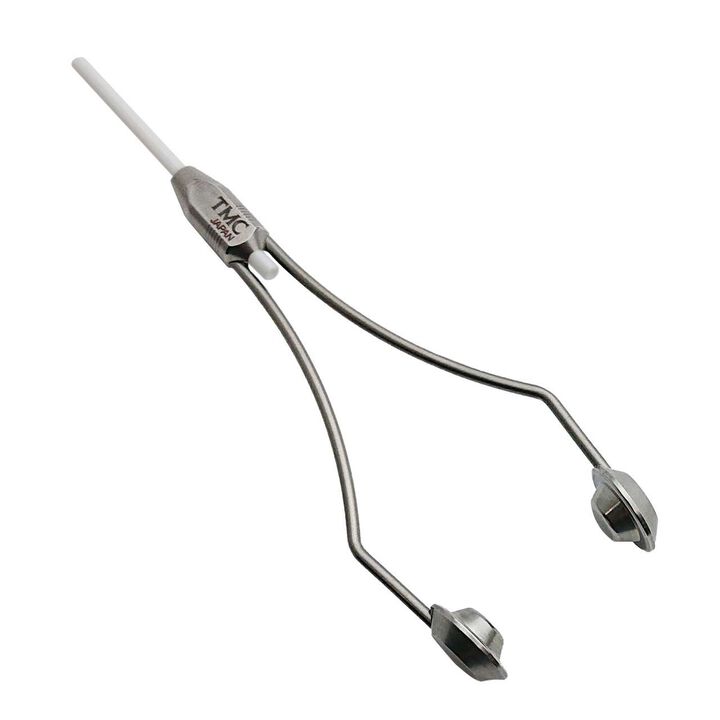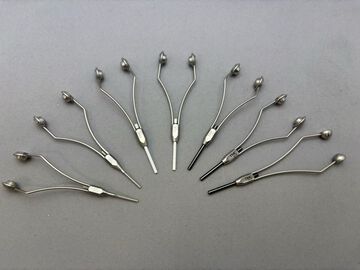
The Legendary Bobbin
Before the TMC Ceramic Bobbin, many bobbins with brass or stainless-steel tubes shared a common problem: uneven surface finishing on the metal tube that caused thread to break.
TMC Ceramic Bobbin was the first fly tying bobbin in the world to feature a zirconia ceramic tube. It doesn't cause thread breakage from the tube — a reason as simple as it is absolute. That simplicity delivers smoother thread flow and greater durability, earning the trust of fly tyers around the world.
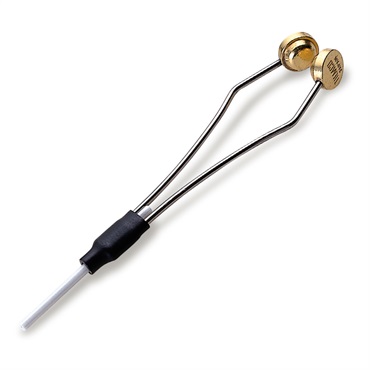

From the 1993 TIEMCO Catalog
The evolution into the EVO series
TMC Ceramic Bobbin has been a trusted classic among fly tyers around the world for more than 40 years. Its design is already close to “right”, and it remains one of the defining tools of the TMC brand today.
Yet as materials and tying styles continue to evolve, the TMC Ceramic Bobbin keeps moving forward to meet the needs of fly tyers. As the demands of fly tying continue to change, it evolves right along with them — into the TMC Ceramic Bobbin EVO series.

What’s different?
TMC Ceramic Bobbin EVO series is developed around two core concepts:
- Design―Updating the timeless design into a modern classic
- Function―Bringing the bobbin's essential functions up to today's standards
Let's compare the EVO to the original in detail.
Design
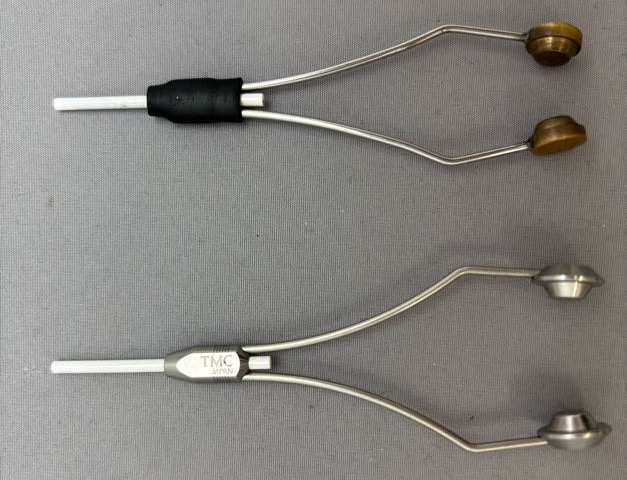
Redesigned for a more refined look. Every component except the tube is made of high-quality stainless steel — a material that resists corrosion and wear.
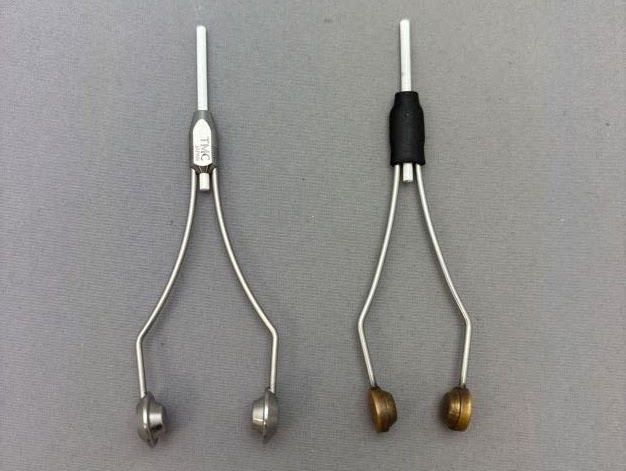
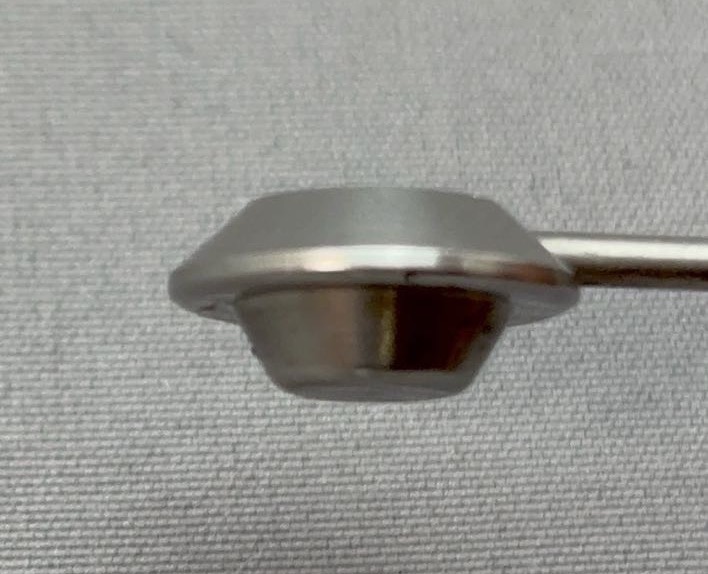
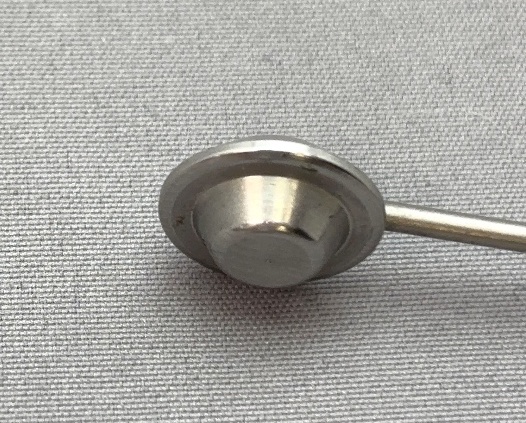
Hubs
There used to be little variation in thread bobbin sizes. Today, though, tyers can choose from a wide range of thread brands — Semperfli, UNI, Veevus, Danville, and more — each with its own spool hole diameter. To fit this variety, the hub has been shaped to accommodate different spool hole sizes. A tapered profile now allows it to hold a broader range of thread spools securely.
Arms
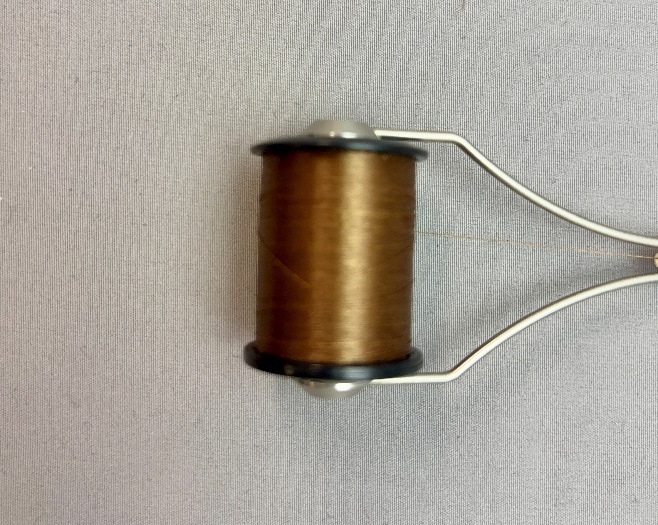
The length and thickness of the arms are fine-tuned to achieve the ideal setup, even when using a wide range of bobbins.
Here’s a Quick Tip: the ideal setup for the bobbin holder is when the arms (hub) are positioned parallel to the spool surface.
It's designed to get you there in most cases — but if you still need finer adjustment, feel free to make it yourself.
Next episode, we'll take a closer look at how to choose the right ceramic bobbin for your tying style. See you then…
DETAILS