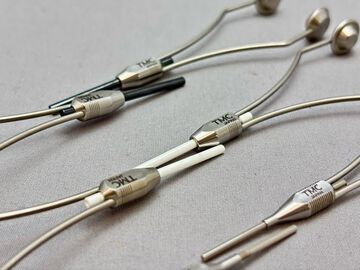
In this article, let’s take a look at the lineup of the TMC Ceramic Bobbin EVO series and how to choose the right model for your needs.
The lineup
The TMC Ceramic Bobbin EVO series offers seven models, with three key factors to consider when choosing: Tube size, Arm type, Arm length:
- Tube size — Standard, Fine, Heavy-Duty
- Arm type — Straight or Bent
- Arm length — Heavy-Duty Long Arm (available in Straight only)
Tube size can be identified by the color of the tube:
- White — Standard
- Gray — Fine
- Black — Heavy-Duty

Standard

Fine
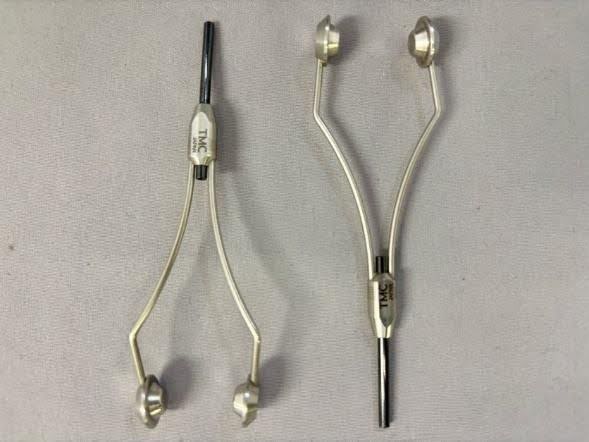
Heavy Duty
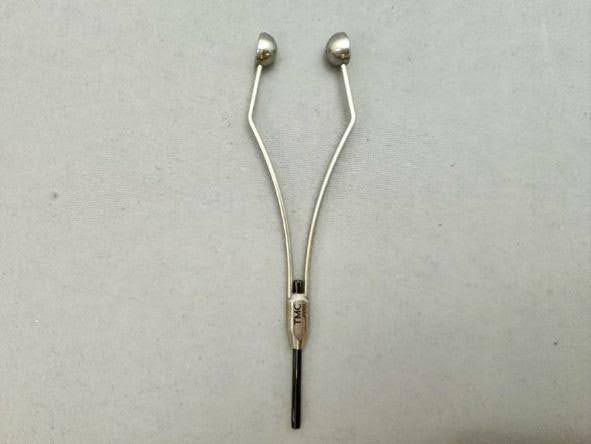
Heavy Duty (Straight-Only)
Model Characters
Let's break it down simply. Here's a quick summary of each model:
- Standard — the all-arounder
- Fine — best for fine thread
- Heavy-Duty — built for heavy patterns like saltwater and predator flies
- Heavy-Duty Long Arm — made for handling larger-size bobbins
Arm Types
How it could be the differences of the arm type.
- Straight — an all-around type that suits any tying style
- Bent — built to maximize hold
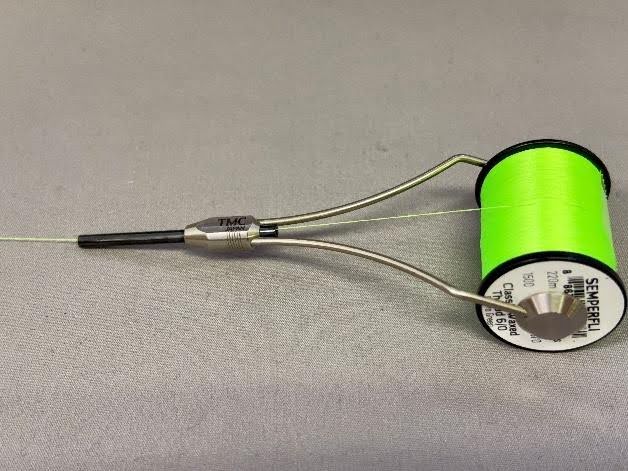
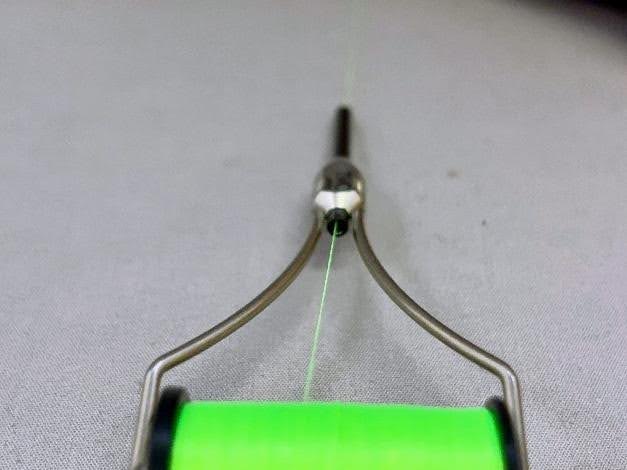
Another key advantage of the Bent type is that it allows the thread to run more directly in line with the tube. Compared with the Straight type, this helps reduce contact between the thread and the tube, resulting in less friction.
Example: Thread runs through the Bent type
How do I choose the right one? – Quick Guide
Even if you understand the characteristics of each bobbin type, you may still find it difficult to choose the right one. Don’t worry! Use the chart below as a guide to help you find the model that best suits your needs.
Quick Reference Chart
| Fine | Standard | Heavy Duty | |
|---|---|---|---|
| Thread | 24/0~16/0 | 18/0~8/0 | 6/0~ |
| Hook/Fly Size | #32~#16 | #18~#8 | #8~ |
*For reference only — shows the size range each model handles best.
You can’t go wrong by choosing a bobbin based on the thread sizes you use and the fly patterns you tie most often.
Now, let’s find the bobbin that suits your tying style — the one that feels just right and stays by your vise for years to come.
DETAILS
This product is not available in your market